Table Of Content
- Computer-Aided Drug Design Methods – An update
- Computer Aided Drug Design and its Application to the Development of Potential Drugs for Neurodegenerative Disorders
- 1. Protein structure prediction using AlphaFold
- 2. Ligand Based Drug Design (LBDD)
- Data Availability
- Modular synthon-based approaches
- Small molecule autoencoders: architecture engineering to optimize latent space utility and sustainability

AI methods have been developed to deal with this big data of high volume and multidimensional nature to efficiently predict drug efficacy and side effects in animals or humans. The most promising approach in the present big data world is deep learning which was first used in the drug discovery process in 2012 QSAR machine learning challenge backed by Merck [110]. The results showed that deep learning models were true which can accurately predict the ADMET properties compared to traditional machine learning methods. Although, AI is an impressing method in identification of preclinical candidates in more cost and time-efficient manner, and the accurate prediction of binding affinity between a drug molecule and a receptor using AI remains challenging for quite a several reasons. Firstly, AI is a data mining method whose performance heavily relies on the amount and quality of the available data [4, 111]. Variability in the source of data especially those derived from different biological assays and lack of high-quality data from public databases presents difficulty in efficient AI learning [112, 113].
Computer-Aided Drug Design Methods – An update
Structure-based and ligand-based drug design form two branches of the computer-aided drug discovery process which plays a significant role in the design and identification of drug molecules in reduced time and cost. The increase in the number of positive cases and deaths from COVID-19 and the lack of approved drugs and vaccines continue to be a matter of global health concern which necessitates the urgent discovery of drugs for the prevention and cure of the disease. The structural elucidation of pharmacological targets of SARS-CoV-2 has helped the researchers in the structure-based virtual identification of inhibitors, and the discovery of few lead molecules against COVID-19 has led to the use of scaffolds that can be optimized through ligand-based drug design. Realizing the possible mutability of this RNA virus and the emergence of drug resistance problems, it is, therefore, necessary to take a step further and consider targeting multiple drug targets that will be more effective and might help in overcoming drug resistance barriers. The chemical compound which exhibits biological or pharmacological properties with therapeutic characteristics can be called a lead molecule.
Computer Aided Drug Design and its Application to the Development of Potential Drugs for Neurodegenerative Disorders
Data-driven approaches have a long history in drug discovery, in which ML algorithms such as support vector machine, random forest and neural networks have been used extensively to predict ligand properties and on-targets activities, albeit with mixed results. ML is also implemented in many quantitative SAR (QSAR) algorithms75, in which the training set and the resulting models are focused on a given target and a chemical scaffold, helping to guide lead affinity and potency optimization. Methods based on extensive ligand–target binding datasets, chemical similarity clustering and network-based approaches have also been suggested for drug repurposing76,77. This is an important factor in assuring the patentability of the chemical matter for hit compounds and the lead series arising from gigascale screening. Moreover, thousands of easily synthesizable analogues assure extensive SAR-by-catalogue for the best hits, which, for example, enabled approximately 100-fold potency and selectivity improvement for the CB2 V-SYNTHES hits26.
1. Protein structure prediction using AlphaFold
While bacterial membranes are complex environments with multiple transport and pore proteins, it is of utility to estimate the pure membrane permeability of drug candidates during drug discovery as this may contribute to drug bioavailability. Traditionally, potential of mean force (PMF) free-energy profiles for a compound across membrane lipid bilayers are derived using MD simulations (124). The PMF may then be used together with position-specific diffusion coefficient in the inhomogeneous solubility-diffusion equation (125) to derive effective resistivity, which may be inverted into permeability.
2. Ligand Based Drug Design (LBDD)
ML algorithms that have been extensively used in drug discovery include support vector machine (SVM) [105], Random Forest (RF) [106], and Naive Bayesian (NB) [107]. Few examples of the deep learning methods are convolutional neural network (CNN), deep neural network (DNN), recurrent neural network (RNN), autoencoder, and restricted Boltzmann machine (RBN) [4]. The conventional QSAR methods can efficiently predict simple physicochemical properties such as logP and solubility. However, the QSAR prediction of complex biological properties such as drug efficacy and side effects is often not optimal as the methods use small training sets [108] and has coverage of limited chemical space [109]. The big data generated using high-throughput screening (HTS) techniques are huge challenges to traditional QSAR methods and machine learning techniques [40].
While the spike glycoprotein is essential for the interaction of the virus with the host cell receptor, the nsps play a major role during the virus life cycle by engaging in the production of subgenomic RNAs [13, 14]. The nonstructural and structural proteins, therefore, offer promising targets for the design and development of antiviral agents against COVID-19 [13]. The lack of effective vaccines or drugs for the treatment of COVID-19 and the high mortality rate necessitates the rapid discovery of novel drugs [15], and computer-aided drug design is believed to be an important tool to achieve the identification of novel therapeutics.
Under the SILCS framework, we recently put forward a protocol to calculate permeation related resistant factor of a molecule to cross membranes (126) using LGFE energy profile and is described in the following. Previously, we published a chapter in the first edition of this book that was dedicated to an overview of CADD and included information on routinely utilized protocols, especially tools used in our laborotary, towards the design of antibotic theraputics (4). Since then CADD methods have been employed extensively to facilitate the development of novel antibiotics by the computational chemistry community and us for the past five years.
Modular synthon-based approaches
Further steps in optimization of the initial hits obtained from standard screening libraries of less than 10 million compounds, however, usually require expensive custom synthesis of analogues, which has been afforded only in a few published cases20,61. He has contributed to the development of a number of technologies in this area, including the creation and maintenance of BindingDB, the first publicly accessible database of protein-small molecule binding data. Dr. Gilson is currently on the faculty of UC San Diego’s Skaggs School of Pharmacy and Pharmaceutical Sciences.

Our laboratory together with de Leeuw and coworkers are continuing the design of novel agents against bacteria cell wall biosynthesis (12, 13). In a recent study, SAR for a series of compounds that have benzothiazole indolene scaffold was pursued targeting the essential bacterial cell wall precursor molecule Lipid II (14). Using MD simulations, we predicted binding free energies and binding modes of Lipid II binders and gained atomic details on the interactions between designed molecules with Lipid II, information that will be useful for further development of antibacterial therapeutics.
NVIDIA Healthcare Launches Generative AI Microservices to Advance Drug Discovery, MedTech and Digital Health - NVIDIA Blog
NVIDIA Healthcare Launches Generative AI Microservices to Advance Drug Discovery, MedTech and Digital Health.
Posted: Mon, 18 Mar 2024 07:00:00 GMT [source]
Second, the accessibility of hit analogues in the same on-demand spaces streamlines a generation of meaningful structure–activity relationship (SAR)-by-catalogue and further optimization steps, reducing the amount of elaborate custom synthesis. Last, although the library scale is important, properly constructed gigascale libraries can expand chemical diversity (even with a few chemical reactions32), chemical novelty and patentability of the hits, as almost all on-demand compounds have never been synthesized before. In silico screening by docking molecules of the virtual library into a receptor structure and predicting its ‘binding score’ is a well-established approach to hit and lead discovery and had a key role in recent drug discovery success stories11,17,51. The docking procedure itself can use molecular mechanics, often in internal coordinate representation, for rapid conformational sampling of fully flexible ligands52,53, using empirical 3D shape-matching approaches54,55, or combining them in a hybrid docking funnel56,57. Special attention is devoted to ligand scoring functions, which are designed to reliably remove non-binders to minimize false-positive predictions, which is especially relevant with the growth of library size. Blind assessments of the performance of structure-based algorithms have been routinely performed as a D3R Grand Challenge community effort58,59, showing continuous improvements in ligand pose and binding energy predictions for the best algorithms.
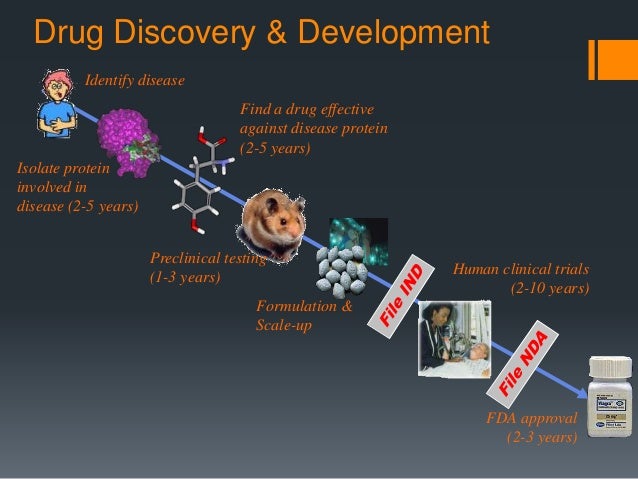
These methods find numerous applications such as assessment of binding energetics, protein-ligand interactions, and conformational changes in the receptor upon binding with a ligand [20]. Being used by many pharmaceutical industries and medicinal chemists, SBDD as a computational technique has greatly helped in the discovery of several drugs available in the market. The basic steps involved in SBDD consist of the preparation of target structure, identification of the ligand binding site, compound library preparation, molecular docking and scoring functions, molecular dynamic simulation, and binding free energy calculation (Figure 1). The recent outbreak of the deadly coronavirus disease 19 (COVID-19) pandemic poses serious health concerns around the world. The lack of approved drugs or vaccines continues to be a challenge and further necessitates the discovery of new therapeutic molecules.
Ligand-based drug design is another widely used approach used in computer-aided drug design and is employed when the three-dimensional structure of the target receptor is not available. The information derived from a set of active compounds against a specific target receptor can be used in the identification of physicochemical and structural properties responsible for the given biological activity which is based on the fact that structural similarities correspond to similar biological functions [77]. Some of the common techniques used in the ligand-based virtual screening approach include pharmacophore modeling, quantitative structure-activity relationships (QSARs), and artificial intelligence (AI).
A similar hit rate was found for the ROCK1 kinase screening in the same study, with one hit in the low nanomolar range26. V-SYNTHES is being applied to other therapeutically relevant targets with well-defined pocket structures. Chemical spaces of gigascale and terrascale, provided that they maintain high drug likeness and diversity, are expected to harbour millions of potential hits and thousands of potential lead series for any target.
These patterns can be used qualitatively to direct ligand design and, when converted to free energies, termed grid free energy (GFE) FragMaps (66, 67), used to quantitatively estimate the relative binding affinities of ligands. The detailed protocol based on full MD simulations was described previously in this same book series (68). Here we present an updated protocol based on the use of oscillating μex Grand Canonical Monte Carlo/MD (GCMC/MD) simulations for SILCS (69). The GCMC/MD approach allows for the application of the SILCS method to target systems with deep or occluded pockets such as nuclear receptors and GPCRs (70). In the era of AI-based face recognition, ChatGPT and AlphaFold68, there is enormous interest in applications of data-driven DL approaches across drug discovery, from target identification to lead optimization to translational medicine (as reviewed in refs. 69,70,71). Determining the structure of a target molecule follows the identification of a specific drug target [29].
MilliporeSigma Launches AI Solution for Integrating Drug Discovery and Molecule Synthesis - Pharmaceutical Technology Magazine
MilliporeSigma Launches AI Solution for Integrating Drug Discovery and Molecule Synthesis.
Posted: Fri, 08 Dec 2023 08:00:00 GMT [source]
Thus, the generated databases (GDB) predict compounds that can be made of a specific number of atoms; for example, GDB-17 contained 166.4 billion molecules of up to 17 atoms of C, N, O, S and halogens49, whereas GDB-18 made up of 18 atoms would reach an estimated 1013 compounds38. Other generative approaches based on narrower definitions of chemical spaces are now used in de novo ligand design with DL-based generative chemistry (for example, ref. 50), as discussed below. The applicability of CADD for modeling of the drug considers combinatorial chemistry and bioinformatics which address the major issues including cost and time duration. An important alternative to solve the antibiotic resistance issue is the identification of new antibiotic targets that may represent novel mechanisms essential for bacterial survival. Such findings may help to overcome the resistance of this bacterium to common antibiotics such as methicillin, fluoroquinolones and oxazolidinones. An example of a recently identified novel antibiotic target is the protein heme oxygenase, involved in the metabolism of heme by bacteria as required to access iron (10–12).


No comments:
Post a Comment